LISA WISE • May 26, 2026

Wellness Wednesday:

Blue Zone Wisdom & The DESTRESS Connection 💜🌿

May 20, 2026


Have you ever wondered what it takes to not just live longer, but to live vibrant, disease-free lives well into your 90s and 100s?


The answers live in the world’s Blue Zones—regions like Okinawa (Japan), Sardinia (Italy), and Ikaria (Greece) where longevity isn't the exception, it's the norm. As a nutritionist, I love studying these areas because their lifestyle perfectly mirrors what we’ve been building together.


While nutrition is the foundation, Blue Zone wisdom teaches us that true vitality requires the whole picture. Let’s look at the top 3–4 nutritional habits these cultures share, and how they seamlessly tie right back into our DESTRESS Daily Roadmap.


The Blue Zone Plate: Mediterranean meets Asian Style


Despite being on opposite sides of the globe, the world's healthiest populations eat remarkably similarly:

  1. Plant-Slanted & Whole Foods (D - Diet): About 95% of their diet comes from vegetables, fruits, whole grains, and legumes (like lentils, chickpeas, and soy). Meat is used sparingly as a celebratory dish or flavor enhancer, not the main event.
  2. Healthy Fats Over Processing (D - Diet): Whether it's the polyphenol-rich extra virgin olive oil of the Mediterranean or the omega-3 rich fish and seeds of Asia, high-quality fats are staple ingredients that protect brain and hormone health.
  3. The "80% Rule" (E - Emotions / Success Mindset): In Okinawa, they call this Hara Hachi Bu—a reminder to stop eating when your stomach is 80% full. It’s a mindful eating practice that prevents digestive overload and keeps metabolism sharp.


Living the Wisdom: The Lifestyle Connection


You can eat the perfect diet, but if the rest of your lifestyle is depleted, longevity shrinks. The Blue Zones thrive because they organically check every box of the DESTRESS Protocol:

  • Natural Movement (E - Exercise): They don't run marathons or pump iron; they walk hilly terrain, garden, and knead bread by hand. Movement is baked into their day.
  • Built-In Downshift (S - Stress / R - Rest): Every Blue Zone has a daily ritual to reverse stress. Sardinians enjoy a happy hour, Okinawans take a moment to honor ancestors, and Ikarians take mid-day naps. They protect their quality sleep and stress boundaries.
  • Low Toxin Load (T - Toxins): They drink clean water, breathe fresh air, and grow much of their own food, keeping their toxic load to a minimum.
  • Radical Connection (E - Emotions): They prioritize family, laugh often, and maintain deep social circles (called Moais in Japan) that support emotional wellbeing through all of life's transitions.


Bring the Blue Zones into Your Home


You don’t have to move to Greece or Japan to claim this vitality. You just have to follow your roadmap.

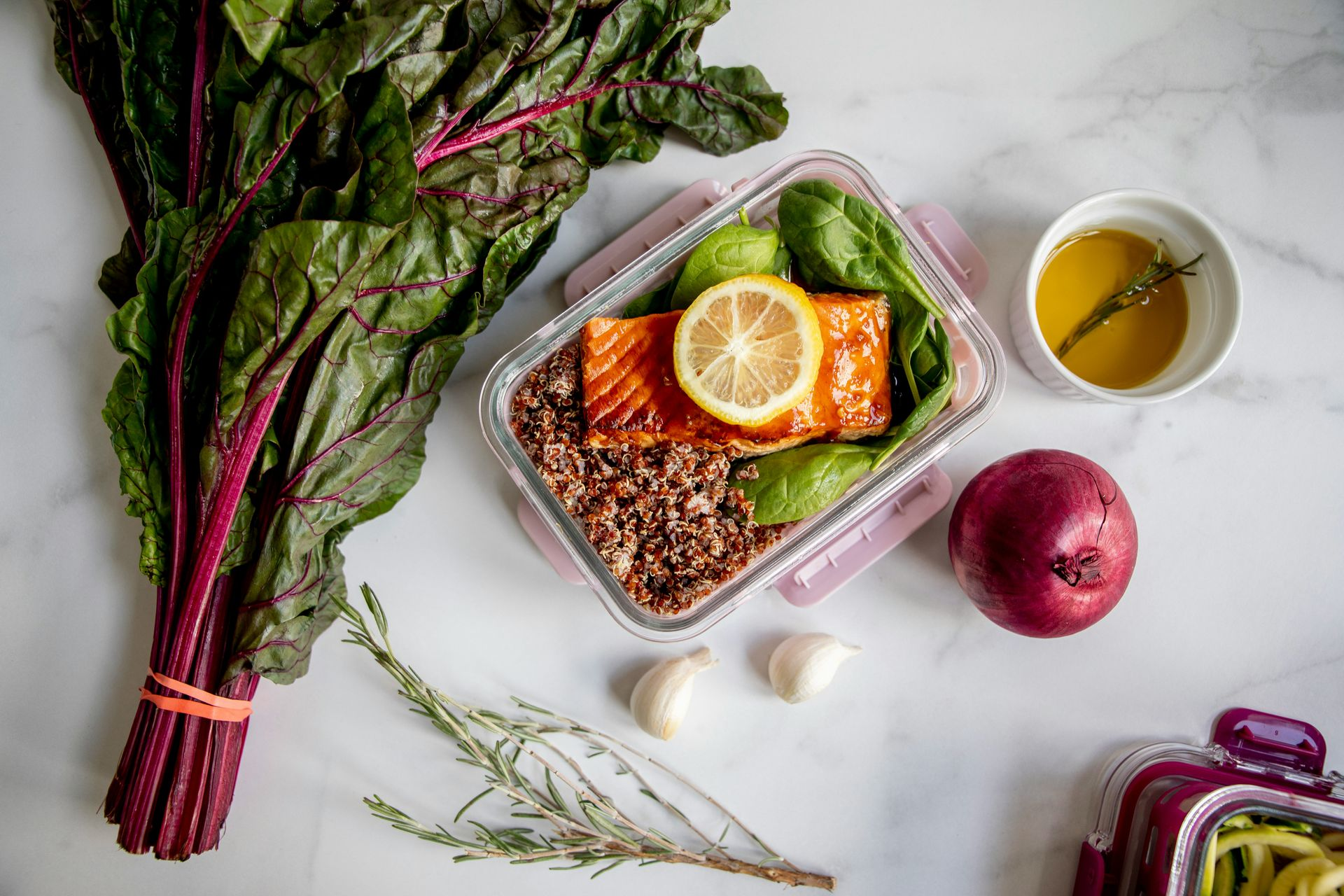
  • Clean Up Your Foundations: Mimic the clean, nutrient-dense diet of the Blue Zones by filling your kitchen with high-quality essentials. Explore my recommended foundational tools here.
  • Support the "Downshift": If our modern world makes it hard to hit that calm, Blue Zone state of mind before bed, give your nervous system a nudge. I highly recommend the Sleep & Stress Support formula to help lower that modern-day cortisol.

Next week, we are bringing the focus right into your home as we look at Kitchen & Home Swaps—the specific, simple changes you can make to lower your toxic load. We like to call it emptying your “rain barrel”!


👉 Ready to increase those healthy years? Book your FREE consultation here.


Hugs and Health,

Lisa


By LISA WISE • October 7, 2026
Your Golden Pharmacy - Spices, Teas and Cellular Protection 
By LISA WISE • October 7, 2026
Microbial Magic - Fermented Foods
By LISA WISE • September 23, 2026
Powerful Liquid Gold - Reclaiming Healthy Fats
By LISA WISE • September 23, 2026
The Mediterranean - Asian Approach — Where Tradition Meets Longevity
By LISA WISE • September 23, 2026
Wellness Wednesday: The Metabolic Blueprint - Putting It All Together
By LISA WISE • September 4, 2026
The Stress-Sleep-Metabolism Connection — The Missing Links
By LISA WISE • August 26, 2026
Nutrition as Metabolic Medicine — Food as Code
By LISA WISE • August 26, 2026
The Root Cause — Understanding Insulin Resistance
By LISA WISE • August 26, 2026
Decoding Metabolic Syndrome: It’s a Cluster, Not a Symptom 
By LISA WISE • August 5, 2026
August 5, 2026 Over the last few weeks, we’ve covered a lot of ground in our Hydration & Vitality series. We’ve looked at why waiting until you're thirsty is a trap, why water needs an electrolyte partner, and how to fuel your movement before, during, and after a workout. Today, we are wrapping up this series by looking at the invisible side of the equation: the hidden daily habits that quietly drain your hydration levels without you even realizing it. You might be drinking your 64 ounces of water and mixing in your electrolytes, but if certain everyday habits are working against you, you could still be running on low power. The Three "Hydration Thieves" Without realizing it, many of us engage in daily routines that act like a sieve for our body's fluid and mineral balance:  The Over-Caffeinated Loop: We all love our morning coffee or afternoon pick-me-up. But caffeine is a mild diuretic, and when consumed without matching it glass-for-glass with water—plus electrolytes—it pulls fluid right back out of your cells. You feel wired, but your cellular engine is actually drying out. The Indoor Climate Trap: Whether you're blasting the air conditioning in the summer heat or sitting in heavy indoor heating, climate-controlled air sucks moisture right through your skin and breath. We often forget to drink when we aren't sweating outdoors, but indoor air is surprisingly dehydrating. The Hidden Sugar & Processed Carb Overload: High-sugar foods and heavily processed snacks draw water out of your tissues and into your digestive tract to help process the glucose spike. That post-lunch fatigue isn't just a carb crash—it's often acute cellular dehydration. The "Step-by-Step" Action You don’t have to give up your favorite coffee or hide from the air conditioning to stay healthy. It’s all about a simple compensatory rhythm: The 1-to-1 Rule: For every cup of coffee or caffeinated tea you enjoy, match it with a full glass of water. The Environment Check: If you work in an air-conditioned office or home, keep a visual cue—like a marked water bottle—on your desk to remind you that indoor air counts as a dehydrator. Audit Your Afternoon Slump: Next time you feel that 3:00 PM brain fog hitting, reach for a glass of electrolyte water before you reach for a sugary snack or a third cup of coffee. Need a Personalized Roadmap? Hydration is just one foundational piece of your metabolic puzzle. If you want to see how your daily habits are supporting your overall health goals, reach out to me for a FREE consultation . We can look at your NESS pillars (Nutrition, Exercise, Stress and Sleep) together and build a plan that works for your body. Support Your Cells: If you're looking for my favorite, clean-source electrolyte tools to help you protect your hydration from these everyday drains, click here to contact me directly . Next week, we are pivoting to our next major focus as we dive into our brand-new series on Metabolic Syndrome —starting with what it actually is and why it's a cluster, not just a single symptom! 👉 Ready to take control of your everyday vitality? Book your FREE consultation here . Hugs and Health, Lisa